
Lead Glass for Imaging Rooms: Compliance Checks Buyers Should Confirm Before Installation





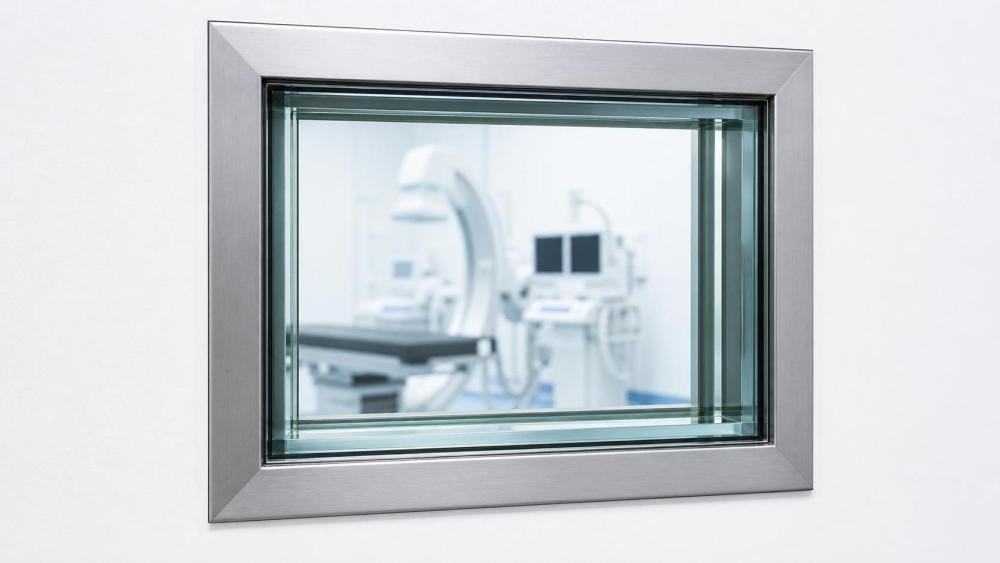
Observation windows in imaging rooms, dental radiography areas, CT support spaces, and industrial inspection enclosures must do more than provide visibility. When buyers source lead glass, they are purchasing a shielding component that must align with room design, radiation protection requirements, frame details, installation practice, and final acceptance checks.
This is why procurement should not treat protective glazing as a generic transparent panel. A window can appear clear and well packed while still being unsuitable if the specified shielding equivalence is wrong, the frame does not protect the perimeter, the pane size does not match the design, or the installer leaves gaps between the glass and surrounding barrier. For medical and inspection environments, the key question is not only whether the glass can be delivered. It is whether the product can be documented, installed, and verified as part of a complete shielding system.
A standards-focused buying process helps prevent avoidable problems. It gives the procurement team a way to coordinate with the designer, radiation safety officer, contractor, facility engineer, and supplier before the material reaches the site. The goal is not to turn the buyer into a radiation physicist. The goal is to make sure the order contains the information needed for technical review, receiving inspection, installation, and final approval.
Why Protective Glazing Needs Standards-Based Review
Radiation shielding is a system, not a single material. In an imaging room, walls, doors, viewing windows, frames, service penetrations, and control areas must work together. If the wall barrier is correctly designed but the observation window is poorly specified, the room may still require rework. If the glass is correct but the frame is not aligned with the barrier, the weak point may appear around the opening rather than in the pane itself.
Buyers should therefore begin with the project requirement. The room design should identify the needed shielding level, window size, installation location, and any local approval procedure. The supplier can then provide product information that matches those requirements. Without that design basis, a quotation may list size and thickness but fail to answer whether the product fits the actual room.
Standards-based review also helps teams communicate. Designers speak in shielding requirements, contractors speak in frame dimensions and installation details, and purchasing teams often speak in price, quantity, and delivery time. A structured checklist brings those perspectives together before the purchase order is released.
Core Specification Items to Confirm
How Buyers Should Approach Lead Equivalence
Lead equivalence is one of the most important procurement terms for protective glazing. It expresses the shielding performance needed for the application, but the buyer should not choose it by habit. A dental room, a general radiography room, a CT control window, and an industrial inspection enclosure may have different exposure conditions. The required value should come from the shielding design or qualified local project review.
The purchase order should state the required equivalence or the approved specification reference in writing. If the supplier provides several options, the buyer should match them against the room design rather than selecting only by cost or availability. A product with more shielding than necessary may be heavier and more expensive; a product with less shielding than required may create approval risk.
Buyers should also confirm how the product will be identified after delivery. Labels, packing marks, and documents help the site team distinguish between panes if the project includes several window sizes or shielding levels. This is especially important when multiple rooms are under construction at the same time.
Installation Details That Affect Compliance
The installation of protective glazing should be planned together with the surrounding barrier. The window opening must be prepared so the pane, frame, and adjacent wall shielding overlap correctly. If the opening is too large, if the support is uneven, or if the frame does not include suitable shielding continuity, the window area can become a weak point.
Perimeter details deserve special attention. A transparent pane does not protect the wall around it. The frame, surrounding lining, and overlap design must close the gap between the viewing area and the wall barrier. Buyers should make sure the contractor understands the approved design before installation begins.
Handling also matters. Protective glass can be heavy and should be moved with care. Edge damage, surface scratches, or stress during installation may affect usability or create delays. Procurement teams should ask about packaging, unloading method, storage position, and whether installers have the tools needed to place the pane without forcing it into the frame.
Documentation for Project Review and Handover
Documentation requirements vary by country, facility type, and project owner. Some buyers may need basic product records and packing information, while others may need more detailed material descriptions or project-specific review documents. The important point is to define these requirements before ordering. After shipment, it may be difficult to obtain missing information quickly enough for a construction schedule.
A practical document set can include product name, dimensions, quantity, labels, agreed shielding information, packing photos, delivery records, and installation references from the project team. If local inspection or acceptance testing is required, the buyer should coordinate with the responsible professional to confirm what evidence is needed.
Buyers should avoid vague descriptions such as "radiation-proof glass" without supporting specification details. A clearer order states the room use, pane size, shielding requirement, delivery destination, documentation needs, and any special packaging or frame coordination requirements.
Pre-Order Compliance Checklist
- Confirm the shielding requirement from the room design or local qualified project guidance.
- Specify pane size, thickness, tolerance, quantity, and installation location.
- Coordinate frame design, wall overlap, perimeter shielding, and support method before ordering.
- Clarify whether the pane is for medical imaging, dental radiography, CT observation, industrial X-ray, or another controlled area.
- Ask for labels, packing photos, product description, and agreed project documents before shipment.
- Plan unloading and temporary storage so the glass is not scratched, stressed, or placed in an unsafe position.
- Check whether final radiation survey, site acceptance, or facility handover documents are required.
- Keep procurement, design, contractor, and facility safety teams aligned throughout the purchase.
Common Procurement Mistakes
One common mistake is buying based only on glass size. Size matters, but shielding requirement, frame design, and perimeter treatment are just as important. A correctly sized pane can still fail the project if the surrounding installation leaves an unprotected line around the opening.
Another mistake is assuming that all protective glazing is the same. Visual transparency, thickness, weight, edge quality, and shielding value can differ. Buyers should check the supplier's product description against the project design rather than relying on a generic product name.
A third mistake is leaving documentation until the end. Imaging room projects often involve several parties, and missing records can slow final review. Procurement teams can reduce this risk by listing required documents in the purchase order and checking them before shipment.
FAQ
Can buyers select protective glass without a shielding design?
They should avoid doing so. The required shielding level should come from the room design, radiation protection review, or qualified local project guidance. Supplier options should be matched to that requirement.
Is frame design as important as the glass itself?
Yes. The window must work with the surrounding wall barrier. If the frame or perimeter is not shielded correctly, the opening can become a weak point even when the pane is suitable.
What should be checked when the product arrives?
Buyers should check labels, dimensions, visible damage, packing condition, product description, and whether the delivered pane matches the purchase order and project requirement.
Can this material be used outside medical facilities?
Yes. It may also be used in industrial X-ray, industrial CT, laboratory shielding, inspection rooms, and other controlled radiation environments when the project design calls for transparent shielding.
Final Compliance View
Protective glazing procurement works best when buyers connect material selection with room design, frame coordination, documentation, and final acceptance checks. The transparent window is a small part of the room visually, but it can become a major compliance issue if specified or installed carelessly. A disciplined buying process helps the facility protect staff visibility, shielding continuity, and project handover confidence.
Editorial Review Note
This article is buyer-facing guidance for medical imaging and radiation shielding component procurement. It avoids fabricated prices, unsupported performance statistics, invented certifications, and made-up project cases. Final upload should be checked against the destination portal's house style, category rules, and editorial formatting requirements.
Related News
- FDA Tightens 510(k) Filing for AI Imaging ModulesJul 14, 2026FDA Tightens 510(k) Filing for AI Imaging Modules: learn how the new FDA rule impacts AI imaging submissions, validation packages, pending 510(k) reviews, and launch timelines.
- Lead Glass for Imaging Rooms: Compliance Checks Buyers Should Confirm Before InstallationJul 13, 2026A standards-focused buyer guide for evaluating lead glass in imaging rooms, shielding windows, documentation, installation, and acceptance checks.
- How to Choose Imaging Accessories for CT: Compatibility, Safety, and Workflow FactorsJul 12, 2026Imaging accessories for CT directly affect compatibility, safety, image quality, and workflow. Learn how to choose the right options to reduce risk and improve department performance.
- China Clears IVUS Catheter, Strengthening Local SupplyJun 17, 2026China clears IVUS catheter, signaling a stronger local supply option for distributors, importers, and hospital buyers. Explore sourcing impact, compatibility, and export potential.
Related News
- 00
0000-00
Medical Imaging Trends Shaping Diagnostic Investments in 2026 - 00
0000-00
Dental Laser Systems: When the Upgrade Delivers Real Clinical Value - 00
0000-00
Smart Hospitals Technology Trends Shaping Care Delivery in 2026 - 00
0000-00
Precision Medical Imaging in 2026: Performance Trends That Matter - 00
0000-00
Clinical Integration Solutions for Hospitals: Reducing Data Gaps and Workflow Risk
Author :
Industry Global
Weekly Insights
Stay ahead with our curated technology reports delivered every Monday.